Where would you rather get your beef from? CAFO vs local pasture-raised
The White House just spent two weeks trying to make hamburger cheaper. Somehow, more people have been walking into our store asking for the expensive kind.
In late August, the administration opened a 90-day window to bring in 300,000 metric tons of imported ground beef without the usual tariff, trying to knock down a price that’s been climbing all year. Ground beef is running $6.89 a pound nationally, up nearly 60% over five years.
Ranchers didn’t wait to see if the plan would work before objecting. The National Cattlemen’s Beef Association, the industry’s largest trade group, came out against it. So did Republican senators from ranching states. Economists were even less generous — the going estimate is a savings of maybe 25 to 35 cents a pound, not the relief anyone was promised.
My best guess: when beef prices make the news, people start asking where their meat comes from. For most of it, the answer isn’t reassuring — four companies, JBS, Tyson, Cargill, and National Beef, process about 85% of the cattle slaughtered in this country. That’s the system this import deal is aimed at.
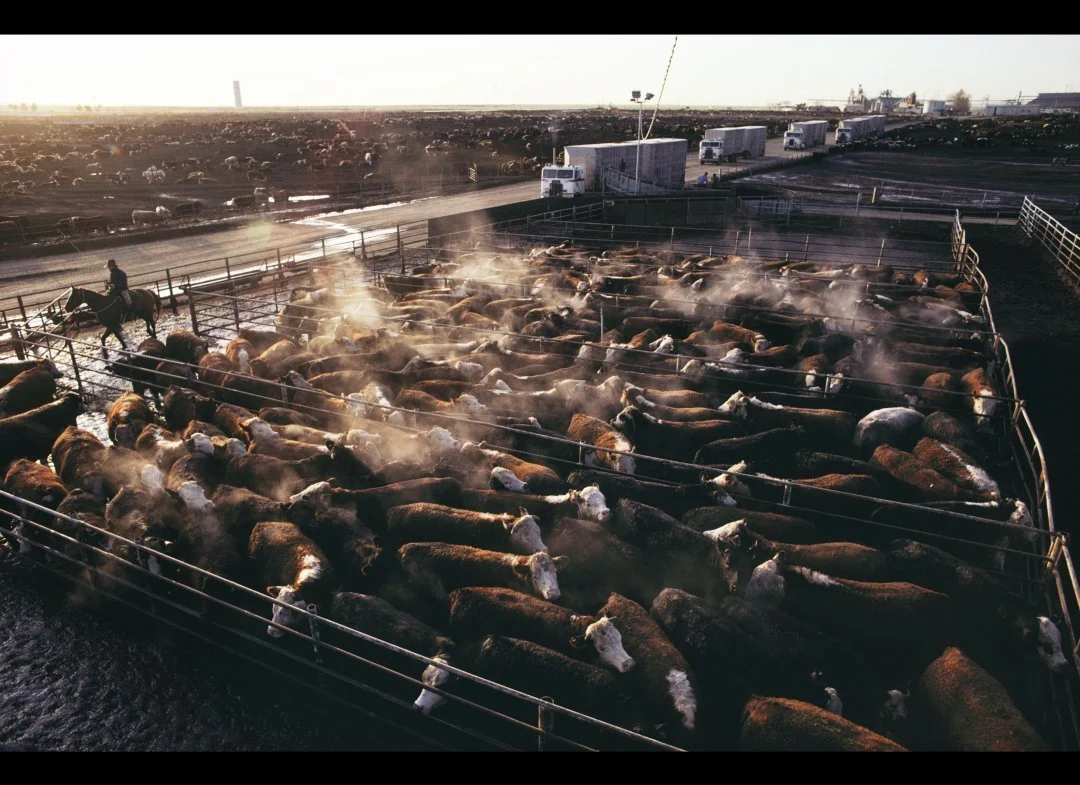
Most of that beef comes from a CAFO — a concentrated animal feeding operation. It’s exactly what it sounds like: thousands of cattle standing in dirt lots, often in their own manure, without a blade of grass anywhere on the property. Federal regulation partly defines it that way — a facility qualifies once the ground the animals stand on can no longer sustain vegetation. Packing that many animals into that little space is what makes beef cheap and fast to produce.
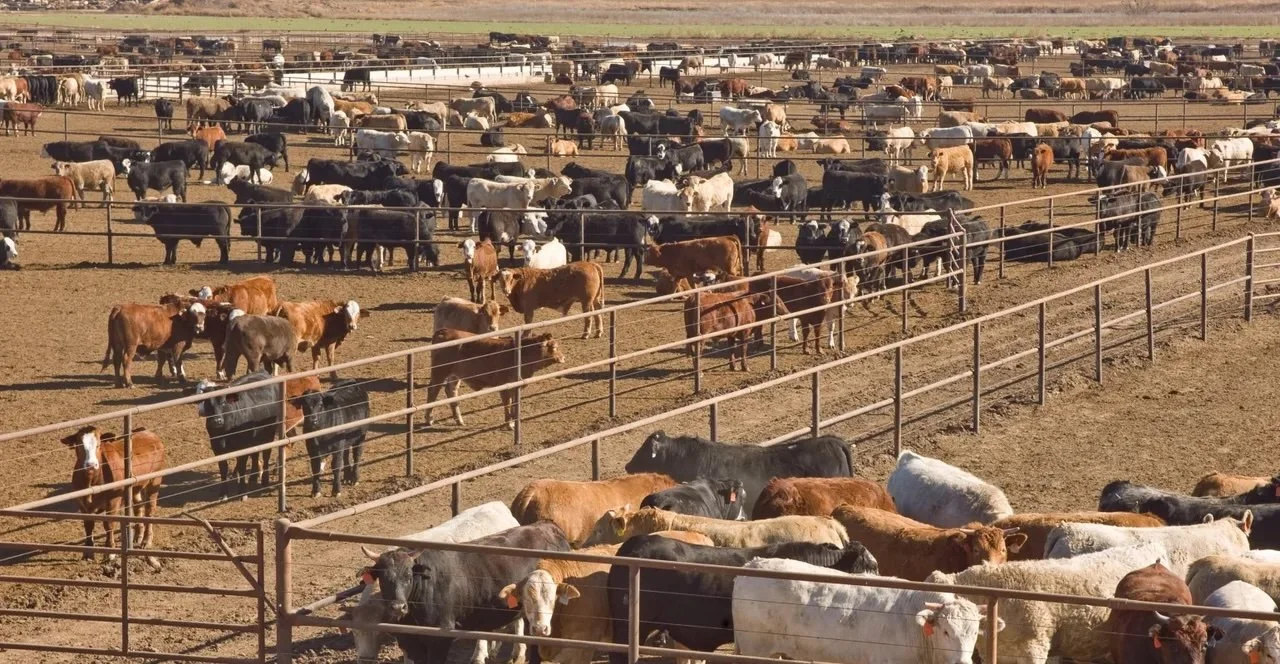
This is where most beef comes from. No grass, no rotation, no soil being built — just dirt and a feed truck.
It’s also what requires a lot of medicine to keep working. Cattle are ruminants — built with a stomach designed to break down grass, not to digest corn and soy. Put a cow on that diet, the way feedlots do to fatten animals quickly, and its gut chemistry turns acidic, a condition that left unmanaged causes liver abscesses, bloating, and lameness.
So feedlot cattle get a steady stream of drugs to manage it: antibiotics to prevent the disease that crowding and an unnatural diet make likely, plus a separate class fed specifically to help them digest grain and grow faster. Public health researchers, including at the CDC, have documented a real connection between how much antibiotic gets used in livestock and the antibiotic resistance turning up in human medicine.
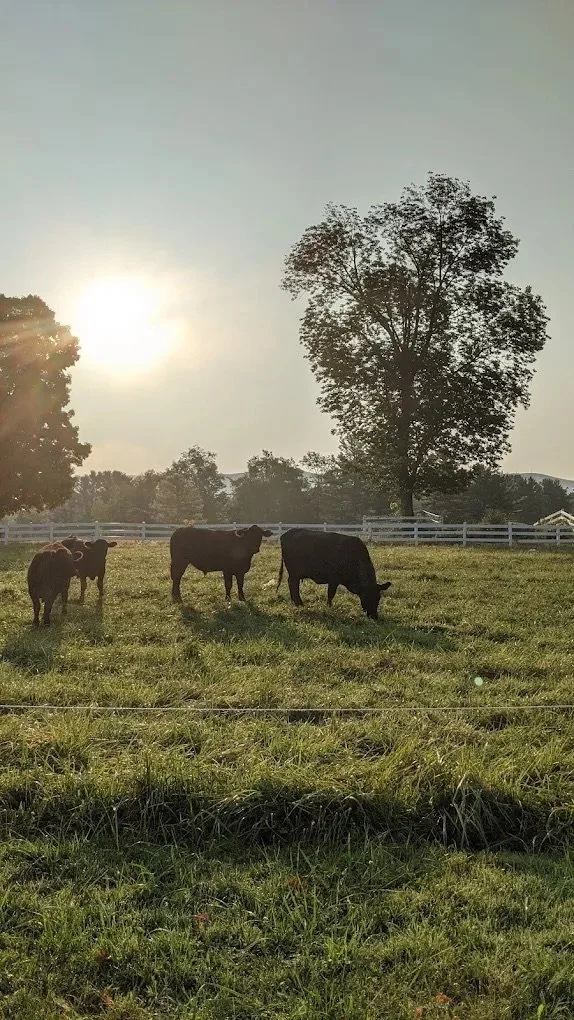
None of that describes Sweet Brook. Sarah and Darryl Lipinski run the place together — her family’s land, eighth-generation, 120 acres in Williamstown. Their cattle eat grass, the thing a cow’s stomach is actually built for, from birth to processing, rotated across 80 of those acres since 2019.
Animals with room to graze and clean ground underfoot don’t get sick as often, so antibiotics are rare here, not routine. When an animal does need them, it’s treated, then held through the required withdrawal period before processing, so nothing reaches the meat — no herd-wide dosing, no drugs to help an animal digest a diet it was never built to eat, because there is no such diet here.
It also takes longer. About two and a half years to reach processing weight on pasture, against twelve to eighteen months in a feedlot. That difference in time is most of what you’re paying for.
When a Sweet Brook steer is ready, it goes to Plymouth Meats, a small USDA-inspected shop most of the way across Connecticut — Massachusetts has exactly two USDA-inspected slaughterhouses in the whole state, neither near Berkshire County. Most local beef, pork, and lamb gets trucked out of state to get processed, and farmers book their date most of a year out, sometimes before the animal’s born.
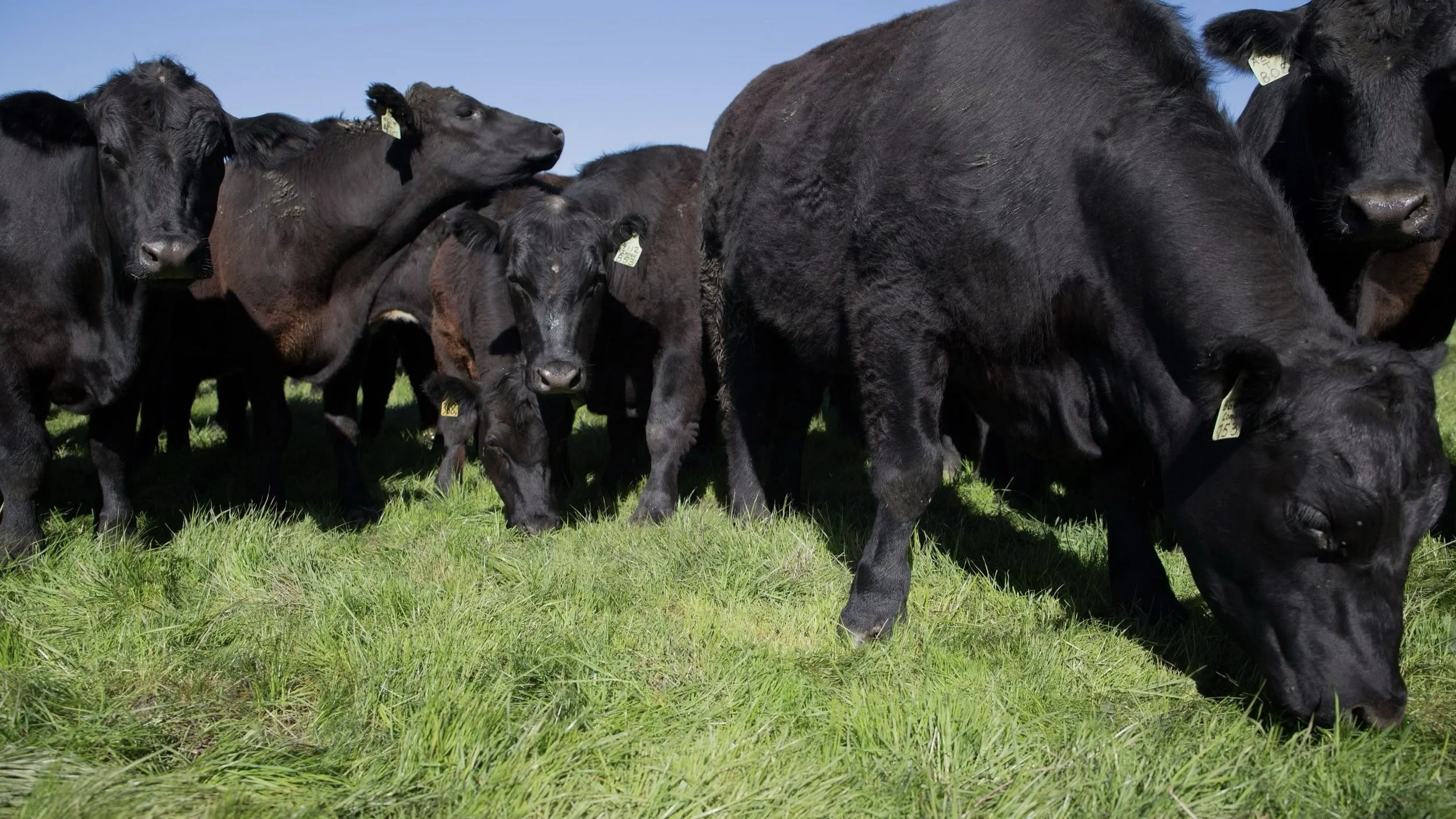
The cows are doing the work. Rotational grazing turns grass into muscle above ground and roots into carbon below it — the soil gets deeper every season they’re on it
Poultry has it worse. As of last year, there wasn’t a single USDA-inspected poultry processor anywhere in Massachusetts. One is finally coming together in Sunderland, but it’s still working toward USDA certification, not there yet. That’s part of why Square Roots Farm’s chicken, moved through the field in mobile pens instead of a warehouse, isn’t cheap either.
The extra time on pasture, the drive to Plymouth Meats, the year-long wait for a slaughter date — that’s what’s actually behind our price tag, not the number in a national average.
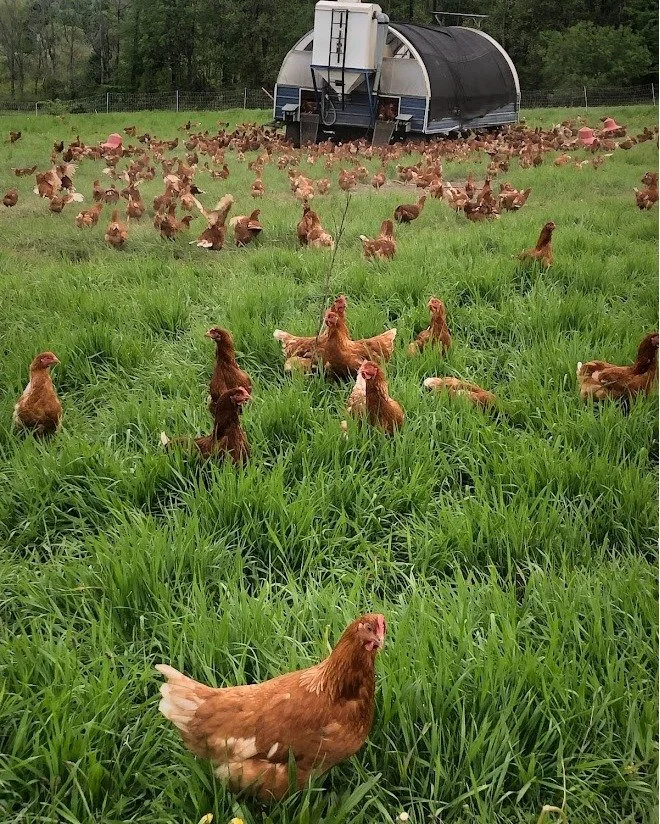
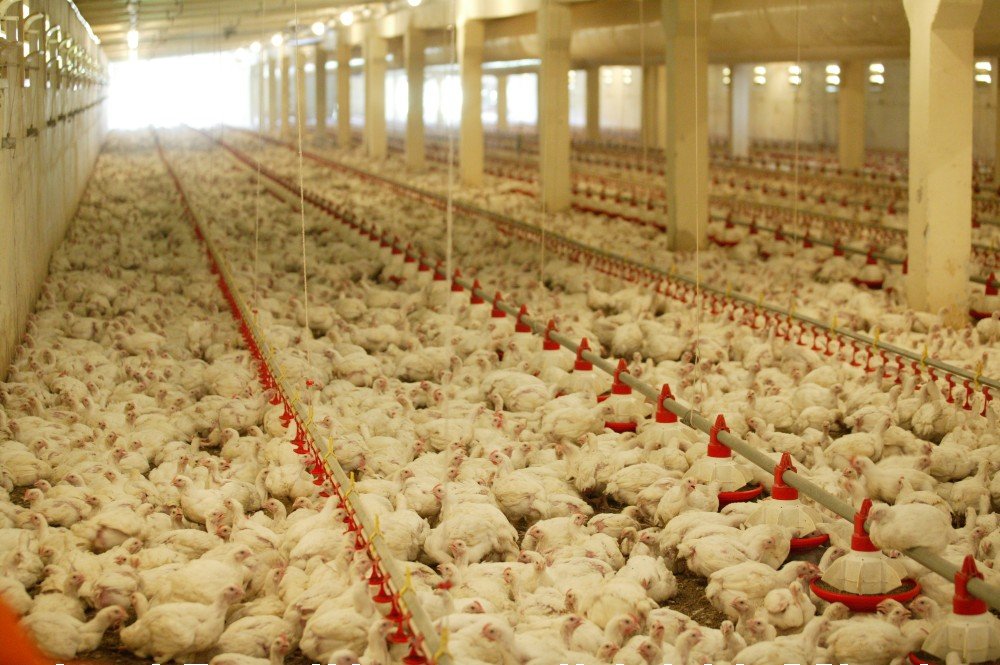
Square Roots Farm raises their meat chickens and egg layers on pasture and rotates them regularly. Most commercial chickens are raised shoulder-to-shoulder in massive warehouses.
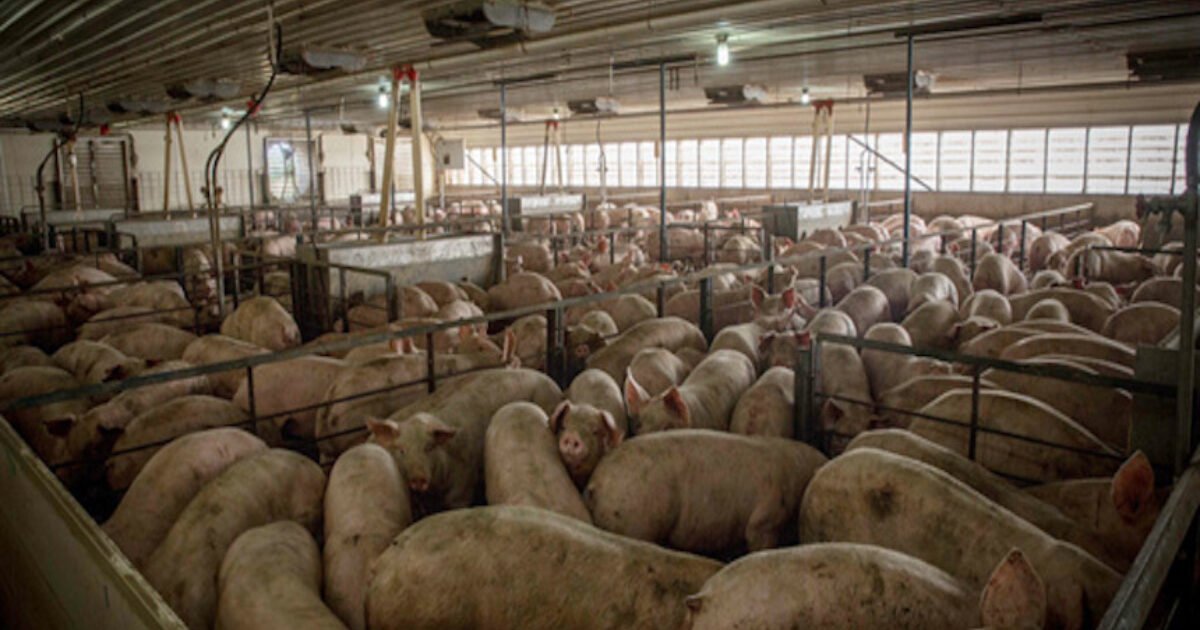
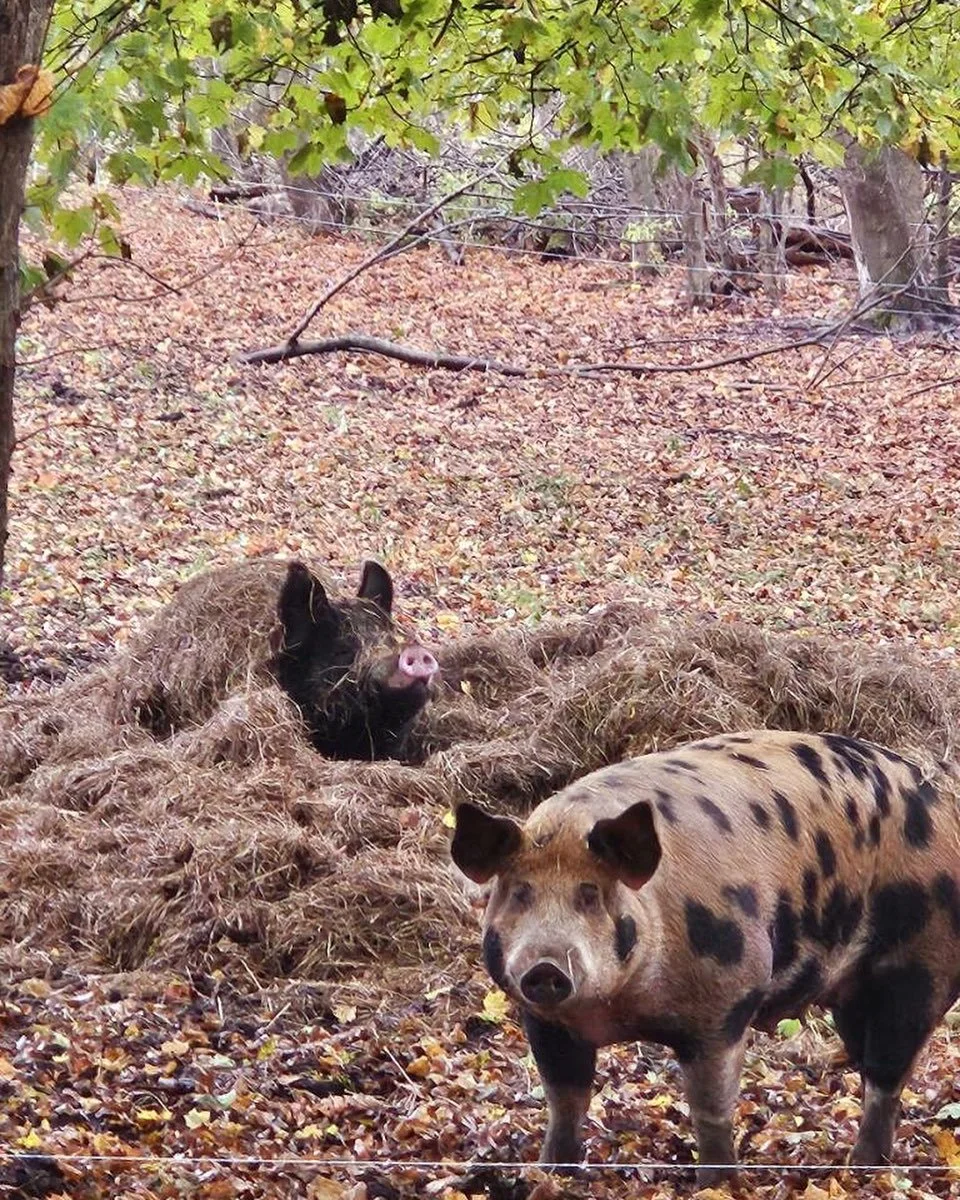
The pigs at Cricket Creek get to live their lives outside doing what pigs are meant to do. Most commercial pork is raised in factory-like conditions on concrete where they never get outside.
So no, ours isn’t the cheapest meat on Route 7. But there’s more to the pasture argument than the animal’s diet and medicine cabinet. The land itself tells the story: grazing animals trim grass, which pushes the plant to shed and regrow roots underground, and that root turnover is what builds soil and locks some carbon into it — carbon that would otherwise stay in the atmosphere, contributing to climate change.
It’s a real effect, even if scientists still argue over how much of it offsets the greenhouse gases cattle produce in the first place. The regenerative-grazing movement built its case on an appropriate slogan: “it’s not the cow, it’s the how.” A feedlot concentrates manure until it’s a pollution problem to dispose of. Rotated pasture spreads it out until it’s fertilizer instead.
There’s something to the old idea that an animal’s life shows up in the meat, and it isn’t just sentiment. Chronic stress — the kind that comes from crowding, from a life spent standing on bare, manure-heavy ground — keeps an animal’s muscle chemistry from settling properly after slaughter, so the meat comes out darker, tougher, and spoils faster than it should. A calmer life on pasture changes that same chemistry for the better.
So if you’re one of the people who’s come in these past couple of weeks asking — here’s what’s in our case: Sweet Brook’s beef, Cricket Creek’s pork, and Square Roots’ chicken, all of it raised and rotated on pasture, the way animals are meant to be.
None of it is the cheapest option on Route 7, but all of it came from farms within 20 minutes of our store and it’s raised by farmers who care about their animals and their land.