
For the last couple of weeks, we’ve gotten daily phone calls and questions in the store about our lettuce. People have heard about the Cyclospora outbreak tied to shredded lettuce, and they want to know if ours is involved.
From Seed to Your Bag
Here’s the answer. Every head starts as a seed we set by hand into a tray, then nurse along for four to six weeks before it goes into the ground. After that it’s watered, weeded, and watched, right up until it’s ready to cut.
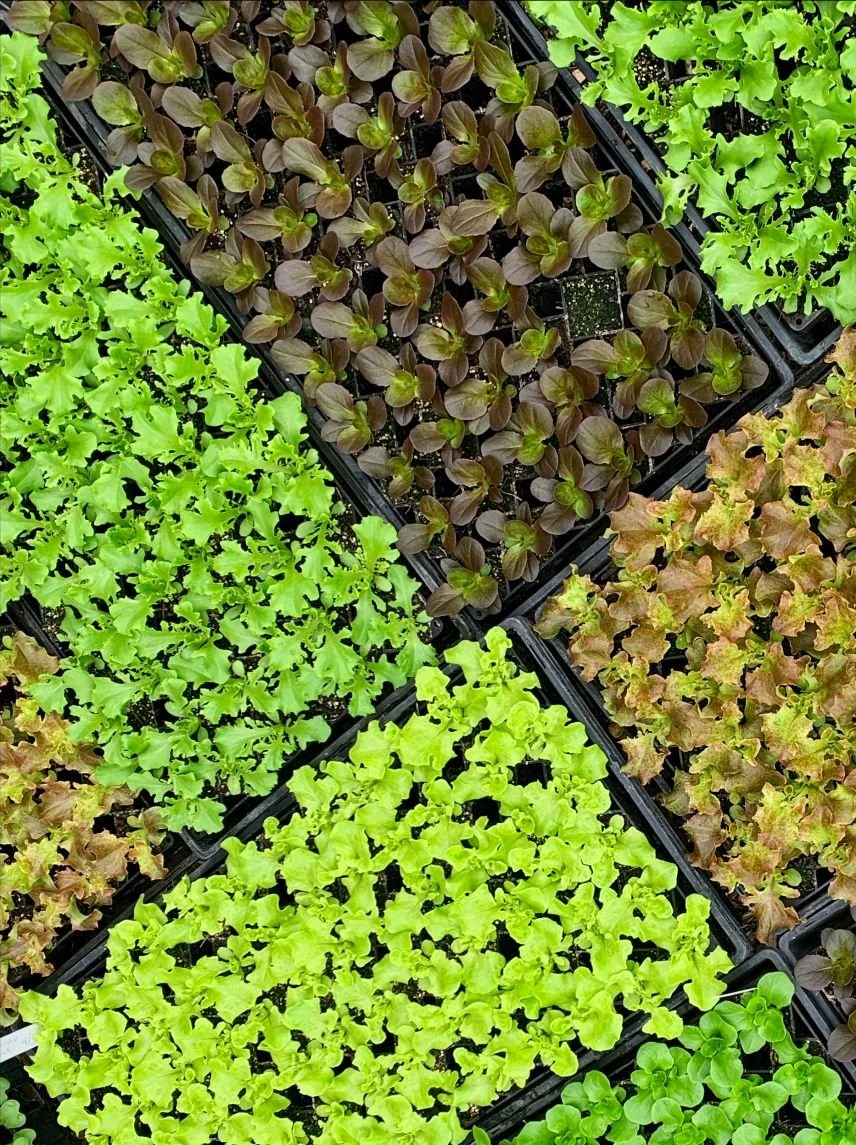
We’re growing five varieties this time of year: Panisse, Adriana, Romaine, Red, and Starfighter, each with its own head shape and its own bite. Every drop of water that touches any of it, from the first watering can to the final rinse, comes from rain or our own deep well. It never leaves this property until it’s in your bag.
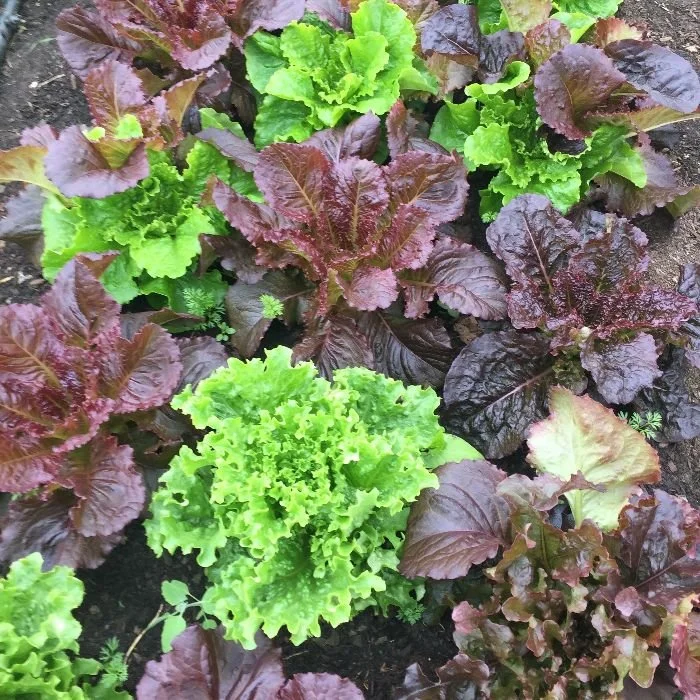
All of that shows up in the eating. Lettuce cut a day or two before it reaches your plate holds more flavor and more of its nutrients than lettuce that’s spent a week or more losing moisture in a truck. Produce starts losing vitamins the moment it’s harvested, so the shorter that gap, the more stays intact.
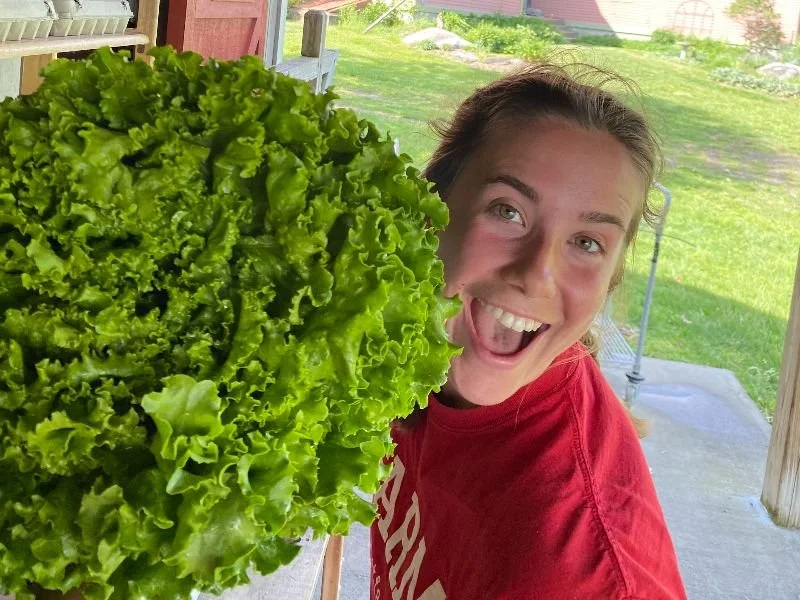
Sarah with a head of Starfighter lettuce from the field.
The Outbreak, By the Numbers
As of the latest count from the CDC, the federal agency that tracks and investigates outbreaks like this one, 6,358 people across 15 states have gotten sick from Cyclospora traced to shredded iceberg lettuce. 278 have been hospitalized. Two people have died, both in Michigan, both already dealing with serious health conditions that the illness appears to have worsened. That lettuce moved from a plant in central Mexico through a distributor to fast-food counters and grocery shelves in dozens of states.
Why It Took So Long
The response has been slower than it should have been. The current administration cut CDC funding. DOGE eliminated hundreds of positions at the agency, including, by one account, cutting the outbreak-response lab from eleven people down to three. In 2025, the CDC was also directed to make Cyclospora reporting optional instead of required.
You can’t count on the current government to catch something like this quickly, or on a food chain built to move product across a continent as cheaply as possible.
The Real Difference
None of that means we’d catch a problem faster if one came up. A microbe like Cyclospora isn’t something either of us could see or test for. Fewer hands touch it, fewer miles it travels, and the only thing we’d ever catch by eye is a damaged leaf or a spot of rot, culled before it’s set out, not after.
Add that to the flavor and the nutrients, and a head of lettuce grown a few feet from where it’s washed is a genuinely different food than one that’s been shredded, bagged, and shipped across a border.
What You Can Actually Do
One thing is actually within your control here: who you buy from. Ask a direct question, get a direct answer. That’s not just us.
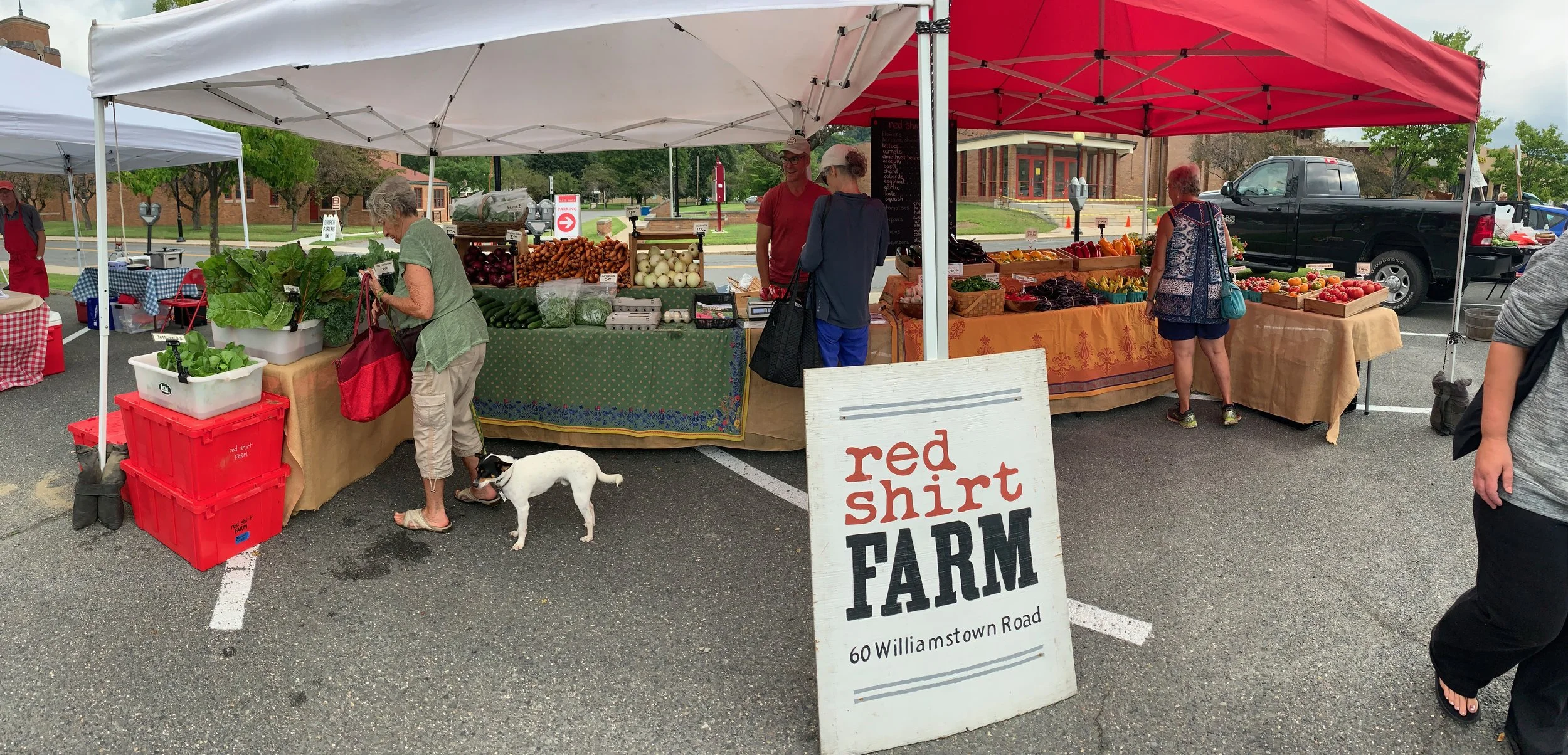
Two places to start: the Pittsfield Farmers Market, Saturdays 9 to 1 on the Common, and the North Adams Farmers Market, same hours, on Main Street.
Both are full of growers who can tell you exactly where something came from, because they grew it themselves.
It won’t fix the CDC. But it’s the one part of your food supply you actually get to choose.