He had an accent and a smile.
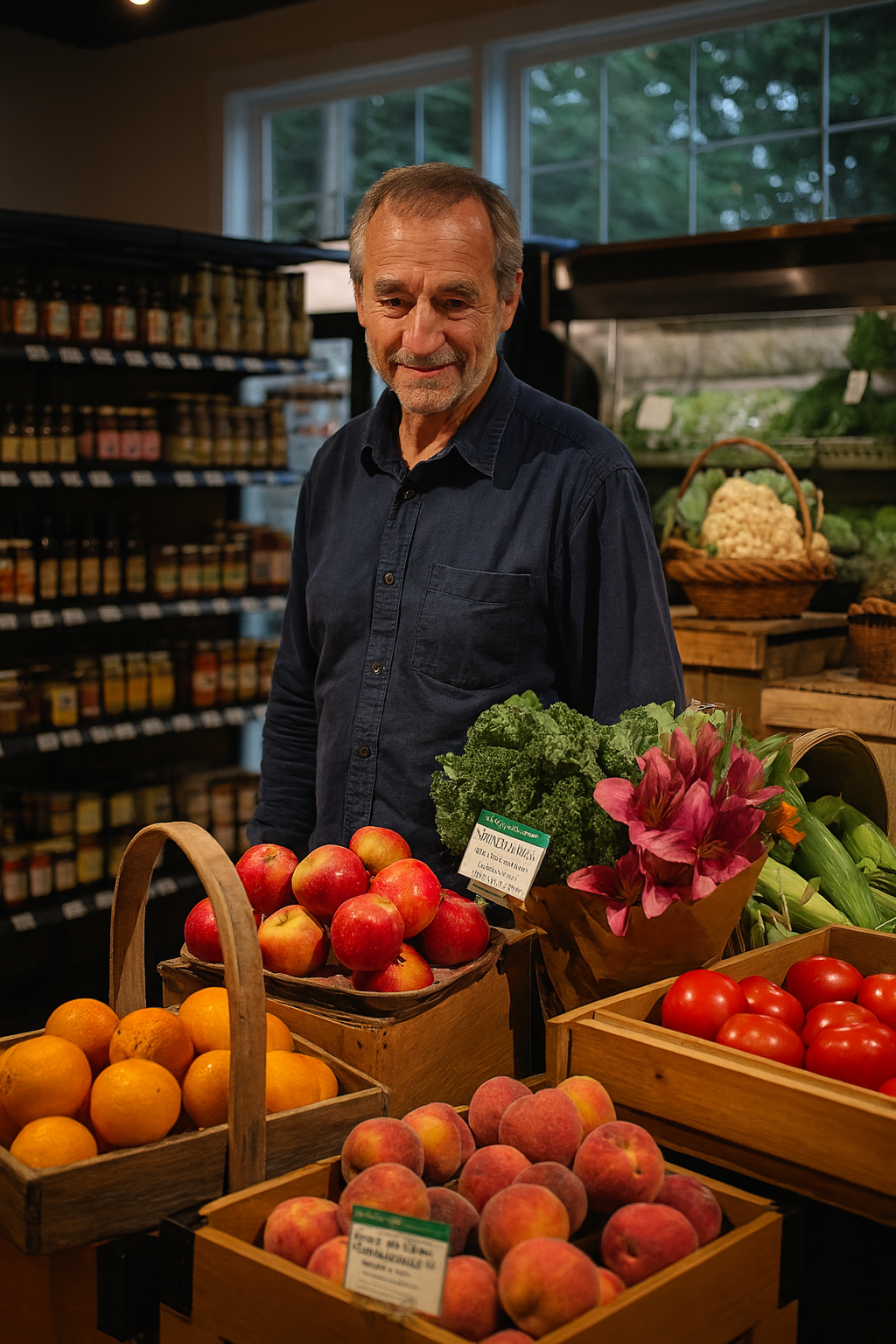
The kind of customer who lingers. He walked slowly along the produce table, lifting a bunch of beets, brushing his thumb across the bloom on a plum.
Finally, he looked up and said, “This reminds me of home.”
He had lived in Belgium, he explained, where nearly every village still has a small farm store. Local farmers supplied them directly. The food was fresher, tasted better, and cost less. “You could tell,” he said, “that it had not traveled very far.”
He was describing a food system built on short distances, and how we organize it matters.
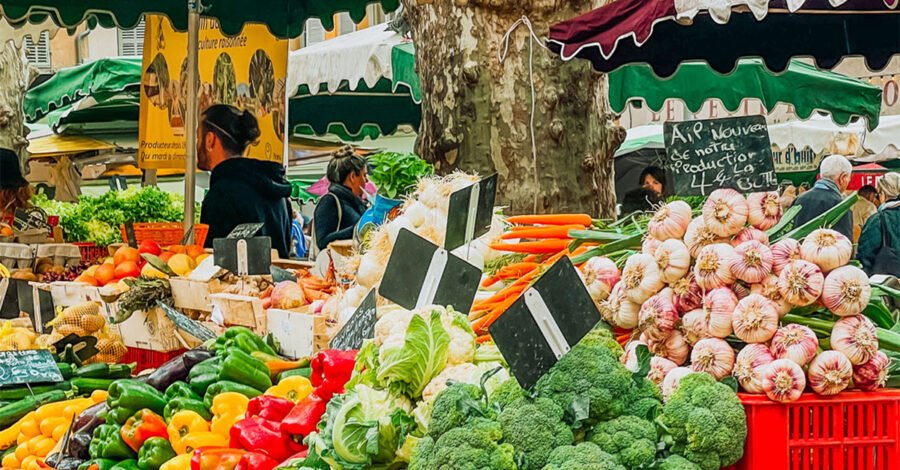
In much of Europe, farms are smaller and closer to where people live. Supply chains are shorter. The rules governing chemicals are stricter. The culture around meals values quality over convenience. Here in the United States, we’ve made different choices.
We subsidize corn, soy and wheat, but not fresh fruits and vegetables.
We allow 72 pesticides banned in Europe to remain on our fields.
58 percent of our calories come from ultra-processed food.
Organic farmland makes up only 1 percent of U.S. acreage, while the EU is targeting 25 percent by 2030.
The playing field is tilted. The industrial system is designed for scale, storage and shelf life, not flavor, health or freshness.
There’s another path, and it doesn’t require moving to Europe. It means building more local food economies here: small farms rooted in communities, feeding neighbors instead of anonymous markets.
That’s what we’re trying to do at Red Shirt Farm. When you shop with us, you’re part of a different food system, one that puts soil health, freshness and fairness ahead of speed and scale.
A customer from Belgium felt it the moment he walked through the door. My hope is that, little by little, more of us here at home will begin to feel it too.
The farm store is stocked with what’s in season. More from the farm is in Field Notes.