You may have seen the news about the Strait of Hormuz.
Shipping lanes disrupted, oil prices climbing, supply chains rattled. Most people read that and think: gas prices. Conventional farmers read it differently. They think: fertilizer.
Synthetic nitrogen fertilizer, the kind used on most conventional farms, is made from natural gas. When energy prices spike, fertilizer prices follow. Then farmers have to choose: pay up, plant less, or pass the cost along. It shows up in your grocery bill.
What makes this strange is that nitrogen is everywhere. Nearly 80 percent of the air we breathe is nitrogen. The catch is that most plants can’t use it directly. It has to be converted into a form roots can absorb.
For most of human history, farmers solved this without a factory. They rotated legumes, such as clover, vetch, field peas and beans, through their fields. These plants host bacteria that pull nitrogen from the air and fix it in the soil.
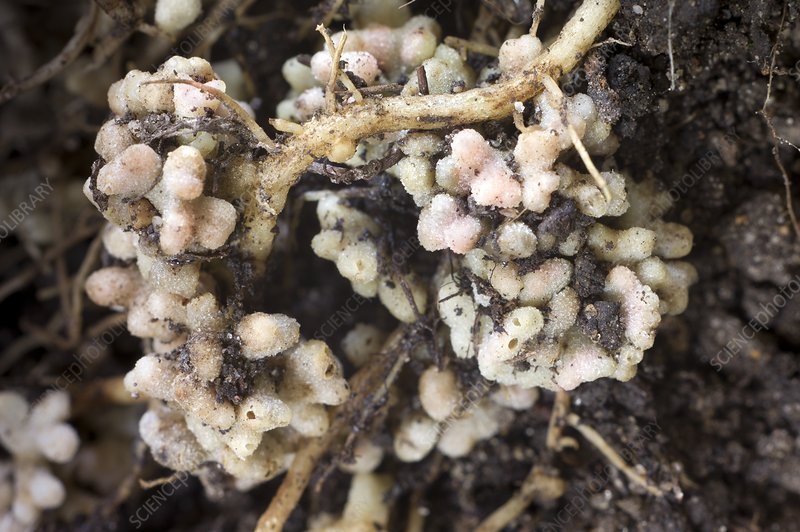
Nodules on clover roots pull nitrogen from the air and fix it in the soil. No factory required. Photo: Science Photo Library.
That fertilizer is free, powered by biology, and open to any farmer willing to plan a season ahead. Cheap synthetic nitrogen pushed it aside.
Used year after year, synthetic fertilizer can also wear down the soil life that makes nutrients available to plants. The microbes built up over centuries break down, and the ground comes to depend on the next application. Farmers who didn’t intend to be locked in find themselves locked in.
Cover crops rebuild nitrogen and restore soil biology. Putting livestock back into cropping systems, on farms and not feedlots, returns nutrients through manure and grazing. Shorter supply chains make fuel a smaller part of the equation.
At Red Shirt Farm, we don’t use synthetic nitrogen. We plant cover crops, apply chicken manure, feather meal and alfalfa meal, and work to keep the soil biology intact. It’s slower than opening a bag of fertilizer.
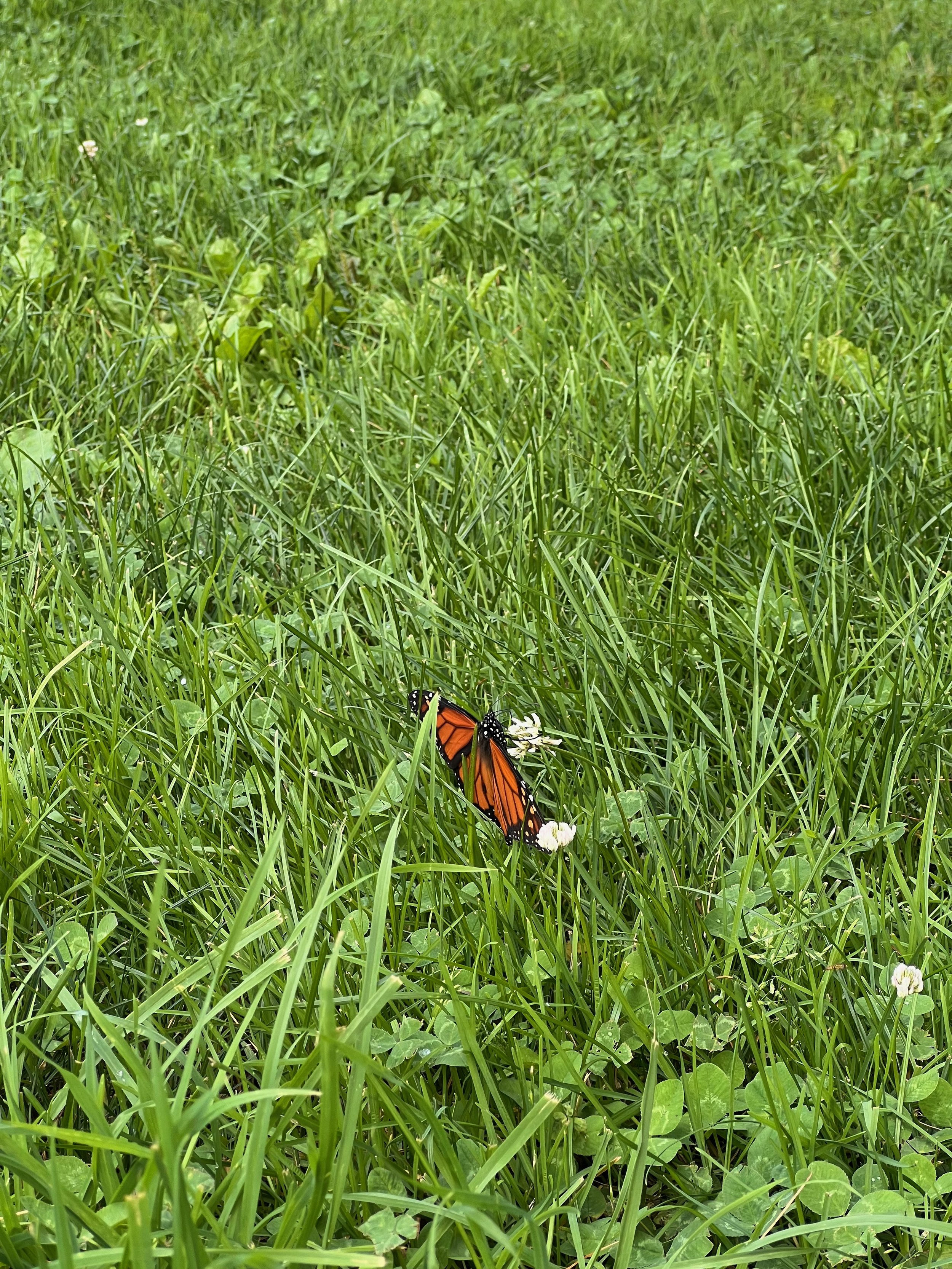
It’s also what food security looks like, and why it has to be built close to home. When the next crisis comes, the farms that kept feeding you will be the ones that never needed the pipeline.
Close to home: Sweet Brook Farm
On a stretch of land in South Williamstown that has been in the same family for eight generations, Sarah Phelps Lipinski runs Sweet Brook Farm with her husband Darryl.
Her grandfather Norris Phelps built one of the most respected dairy operations in Berkshire County. Her father Pete carried it forward. Sarah is the fifth generation to farm this ground.
Sarah didn’t grow up planning to be a farmer. But when her father needed a successor, she stepped in. Then, in February 2019, on a bitter night with wind gusting to 40 miles an hour, the main barn and sugar house burned to the ground. The maple operation, the farm store, the equipment, the feed: gone in 45 minutes. She had just taken over. She rebuilt anyway.
Today Sweet Brook runs two operations on those same 60 acres. In late winter they tap their sugar maples and make small-batch syrup the way it’s been done on this land for generations. In spring and summer their Black Angus beef takes over, grass-fed and finished, dry-aged three weeks before it’s cut and packaged. Beef from an animal that has lived on grass tastes different.
We carry both the beef and the maple syrup at the market. When you buy either one, you’re helping make sure the ninth generation has something to come back to.
What we grow here doesn’t ride on a tanker. It’s in the farm store. More from the farm is in Field Notes.