The season of sneezes has begun. Someone at work is coughing, the kids come home with runny noses, and suddenly everyone is reaching for supplements and sanitizers.
The best thing you can do for your immune system doesn’t come in a capsule. It starts in your kitchen.
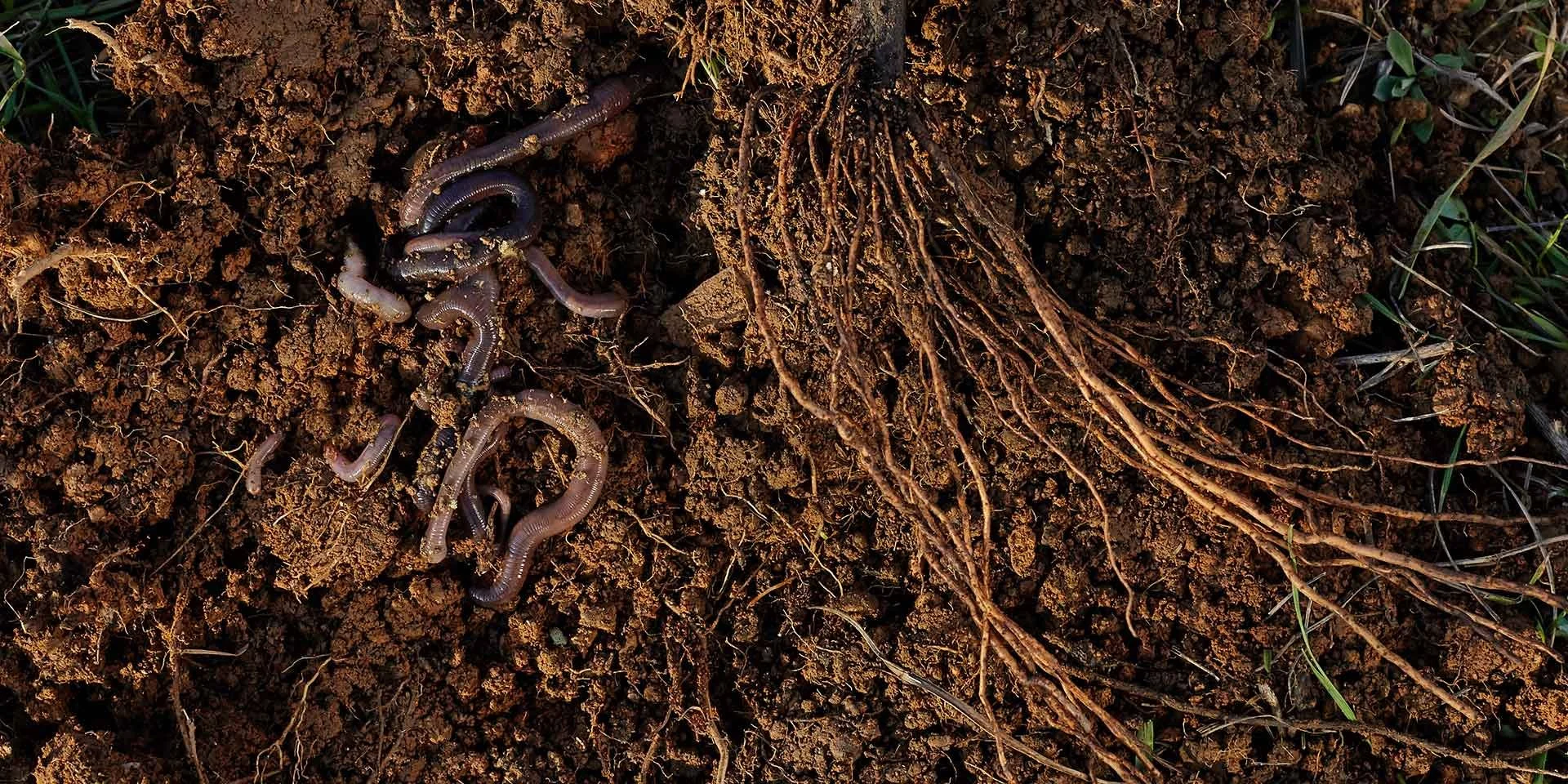
A healthy soil and a healthy gut both hold communities you can’t see.
Roughly seventy percent of your immune cells live along the intestinal wall. They’re trained there, learning to tell friend from foe by sampling what passes through. The more varied and real the food, the sharper that education gets. A diet of uniform, processed food narrows it. A diet full of living, colorful plants widens it.
Your gut is home to trillions of microbes, and they’re your first line of defense. Fiber-rich vegetables, fermented foods and raw honey all feed them. The soil works the same way. Diverse roots and leaves feed the life underground, and a colorful mix of plant foods feeds the life in your gut.
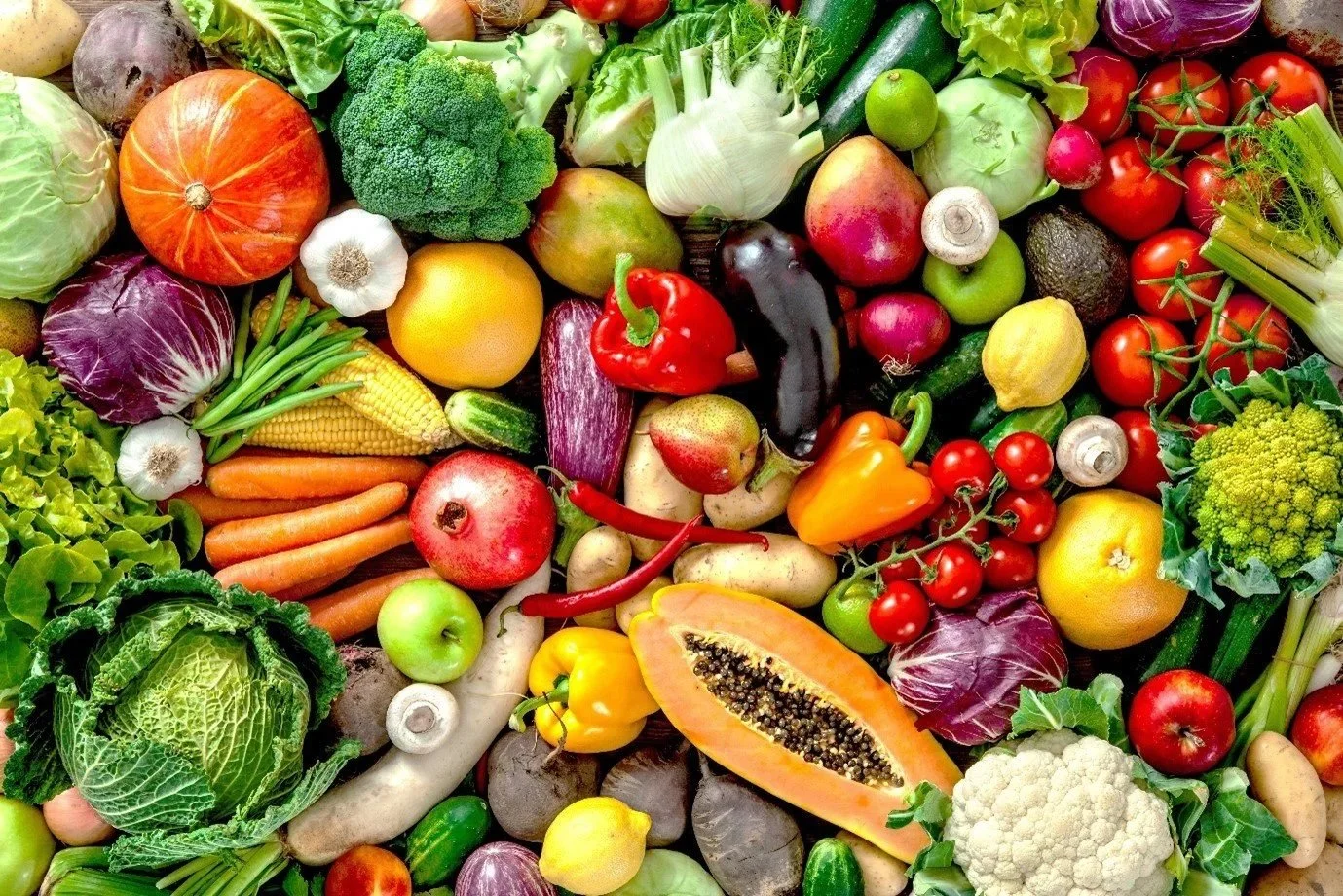
Start with variety
One common goal is thirty different plant foods a week. Roots, greens, herbs, fruits, grains, seeds, legumes and spices all count, and each brings its own fibers and plant compounds that feed different microbes.
Add ferments
Yogurt, kimchi, kraut, kefir. They carry live bacteria into your gut.
Garlic, onions, ginger and turmeric
People have used them in folk medicine for centuries, and their sulfur compounds and oils are real. Pair them with a healthy fat like ghee or olive oil, because that’s how your body absorbs what they offer.
And honey
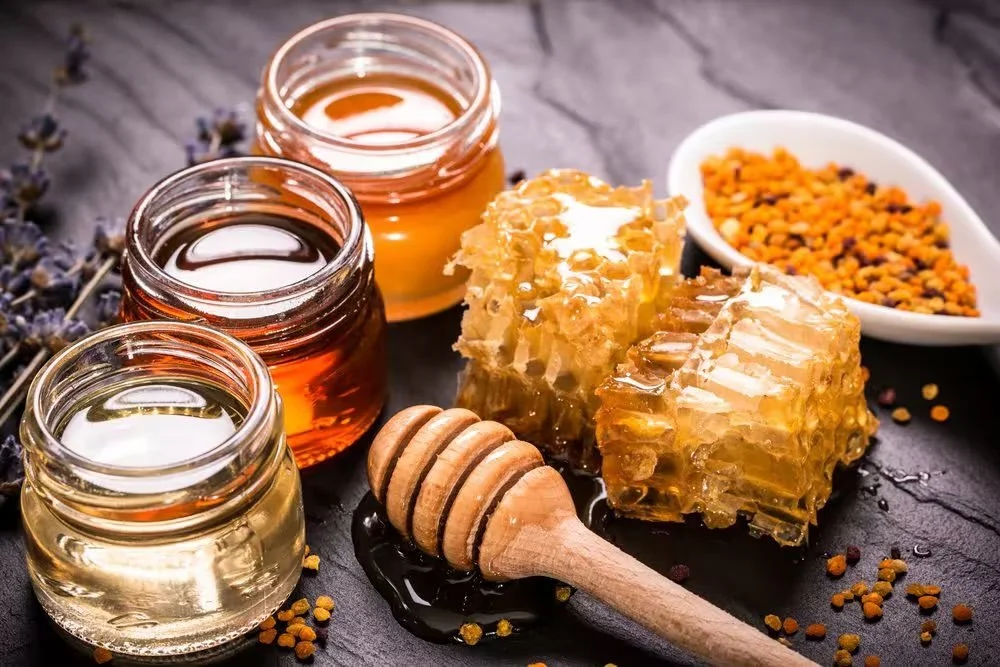
It predates recorded medicine. Raw, local honey contains traces of pollen, enzymes and antioxidants. Traditional medicine treats it as a harmonizer that soothes the throat, aids digestion and carries herbs deeper into the body. Science hasn’t confirmed every claim. Honey has been doing the job for thousands of years. (Where ours comes from: Meet Your Honey.)
Fire Cider
For something more assertive, there’s Fire Cider: an apple cider vinegar infusion of garlic, onions, horseradish, ginger, turmeric and hot peppers, sweetened with honey. It came out of American folk herbalism in the 1970s and it isn’t subtle. People take a spoonful when they feel a cold coming on, to get their circulation moving and clear their sinuses. I can’t tell you the science backs it. I can tell you it cuts through the chill.
Greens, ferments, spices, honey, vinegar: all of them are alive, and all of them feed what lives in your gut. So as winter settles in, eat a lot of colors, sip broth, put honey in your tea and a splash of Fire Cider in your salad dressing.
Fermented foods and honey are in the farm store. For how we feed the soil through winter, see straw or hay mulch for the winter garden. More from the farm is in Field Notes.