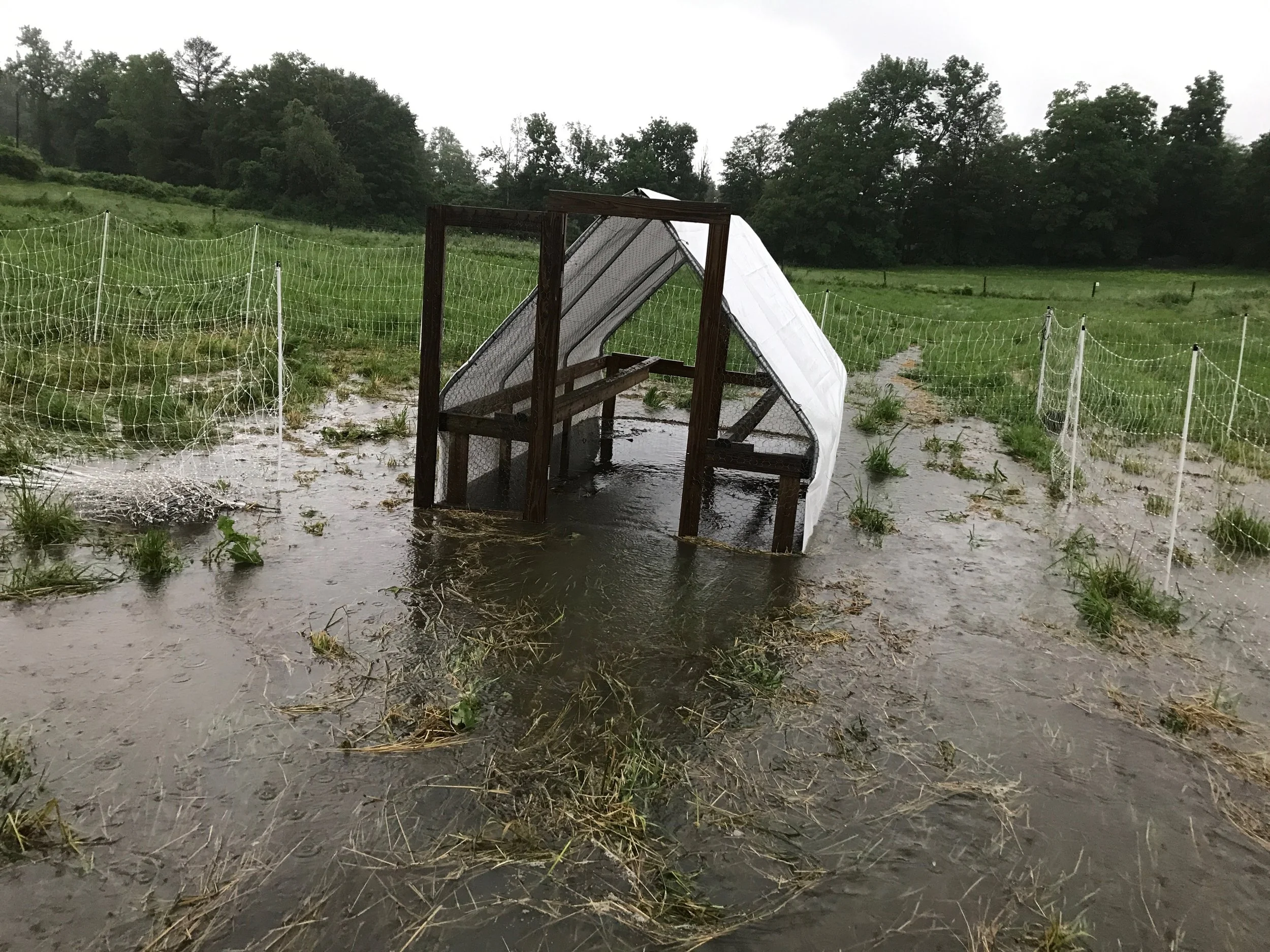
One of our portable chicken houses was caught in a flash flood that came from a sudden torrential downpour. The chickens were neck deep in water in less than 20 minutes, but all were rescued safely. Cycles of drought and torrential rain have become more common in the age of climate change.
This week is Climate Week, when world leaders gather in New York to debate pledges and policies. Some, like former President Trump, still call climate change a hoax. We don’t have that luxury. Out here in the Berkshires, we see the shifts every season.
Western Massachusetts has been in drought for three months. August and September were the driest in years, streams ran low and fields cracked. Then, on September 25, nearly two inches of rain fell in a single day, enough to flood low spots and not nearly enough to restore what was lost.
We’ve seen it in winter too. Two years running, February temperatures climbed into the high 40s and 50s, and our fruit trees budded weeks too early. When cold returned, the tender blossoms froze. The timing farming depends on is slipping.
A warm February might sound like a gift. In practice, trees bud too soon, soils get waterlogged and new pests thrive in the extra warmth. Farming depends on steadiness, and we’re losing it.
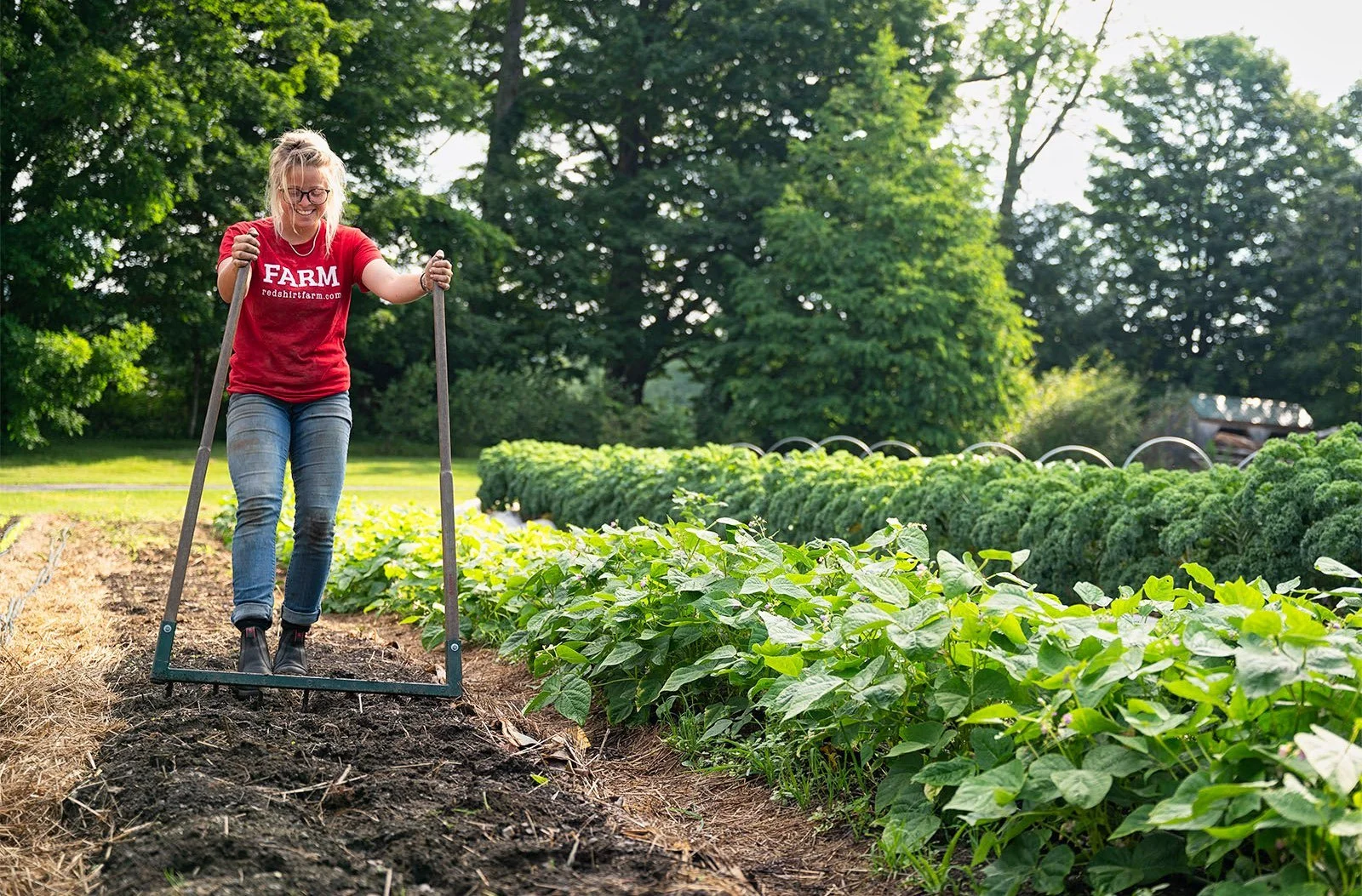
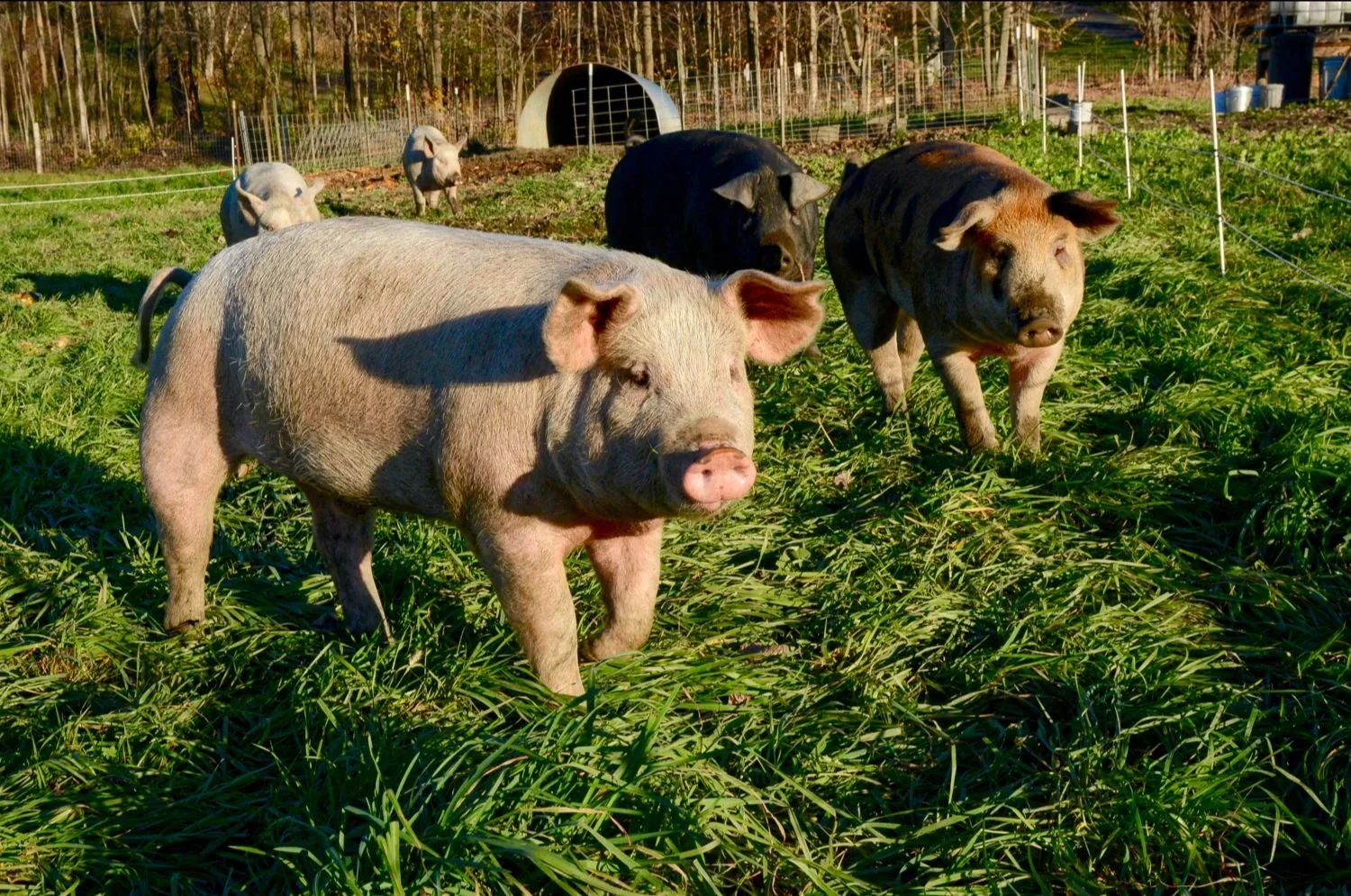
Regenerative agriculture rests on a few practices: cover crops that keep the soil covered, living roots in the soil at all times, as little soil disruption as possible, and animals worked into the growing system.
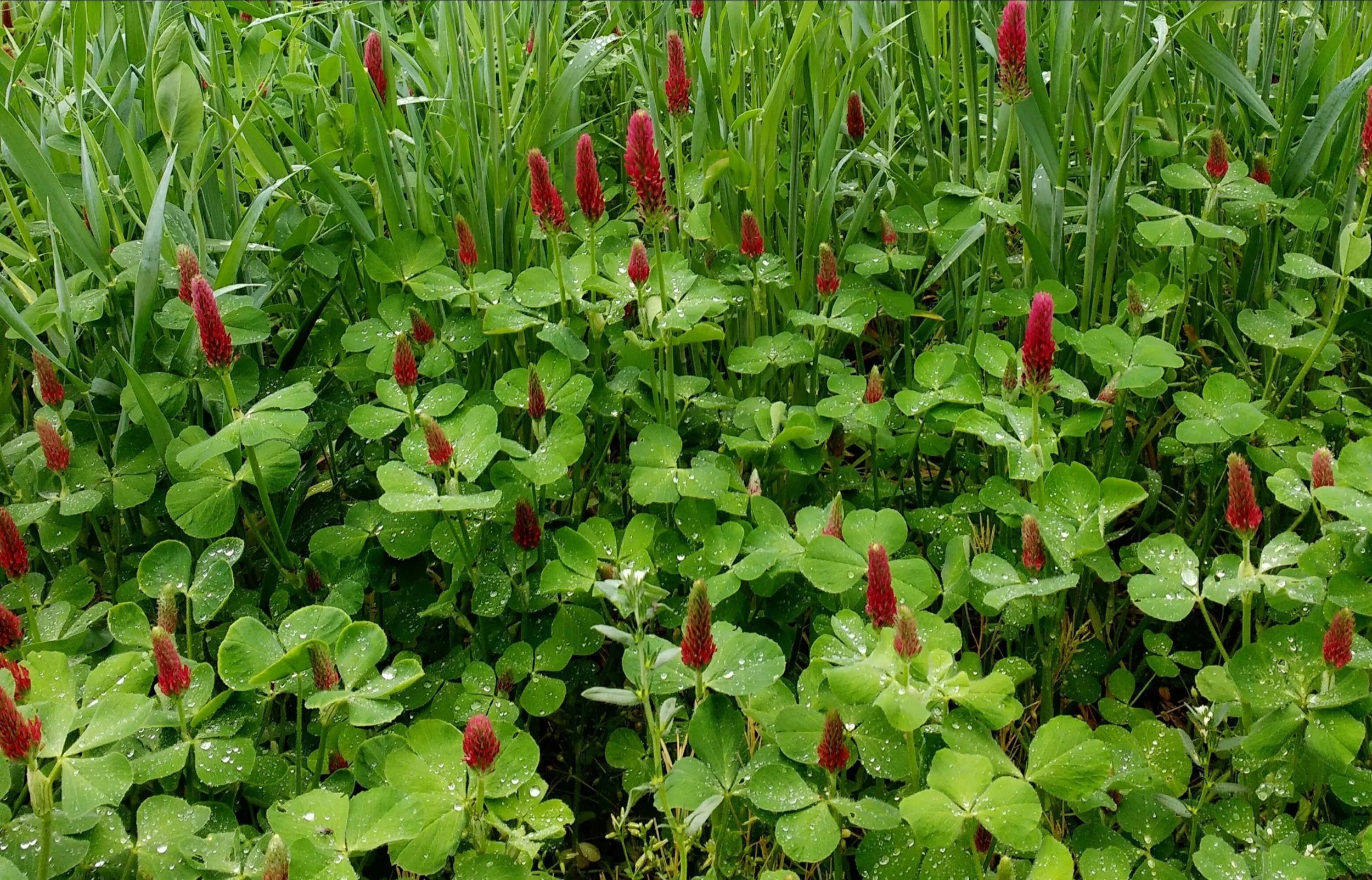
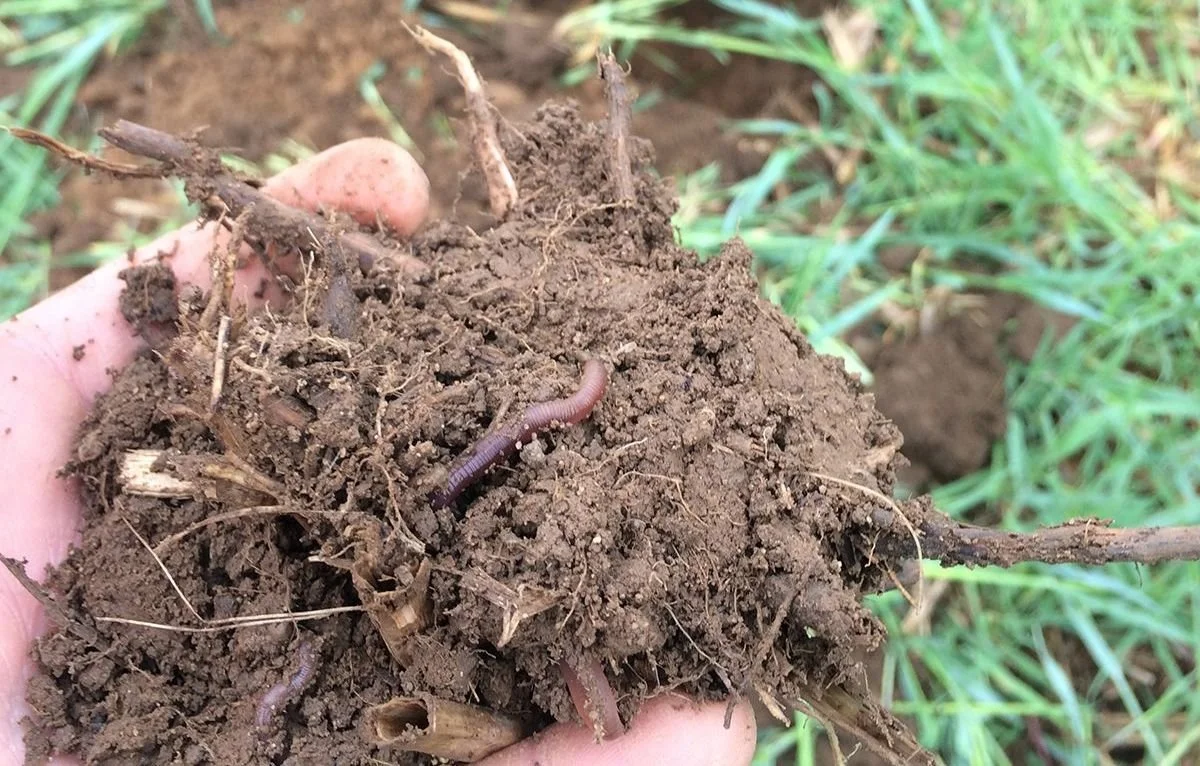
Healthy soil stores water in a drought, drains better in a flood, and pulls carbon from the air back into the ground.
Climate Week in New York may bring headlines. If you want to do something about it this week, you don’t need to fly to a summit or read the fine print of global agreements. Buy from a farm that is building soil. Stop by the farm store. More from the farm is in Field Notes.